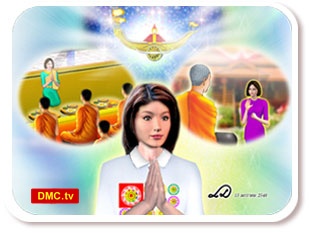
In Thai tradition, on important days like New Year’s Day, or other auspicious days, younger generations always pay respect and ask for blessings from their elders. I’d like to ask Luang Phaw the importance of blessings, and how one bestows blessings.
Most people say that the fourth precept is particularly difficult to strictly observe, especially for those who are merchants like myself. I would therefore like to ask Luang Por if there are any strategies to keep the fourth precept pure and chaste?
Body like a doormat means dedication all of one’s energy and dedicating one’s life to performing good deeds with virtuous actions
The head man of the village and an ancient herbal doctor, who cured patients with herbs. He was so nice; he loved cultivating merits, went to the temple, rescued poor people, and was sincere and enterprising. He was like a hero in every matter. Contrarily, his bad habit was that he loved gambling such as boat racing and cock and fish fighting. What was the image that appeared in his mind just before he passed away? Where is he after death?
An audience has a daughter who has the right eye birthmark. What has caused her daughter to be like this?
I wonder why presently general business people like to read foreign management books. Does Buddhism have any teaching about management?
An audience has a daughter who had a closed urethra when she was born. What caused her to be like this?
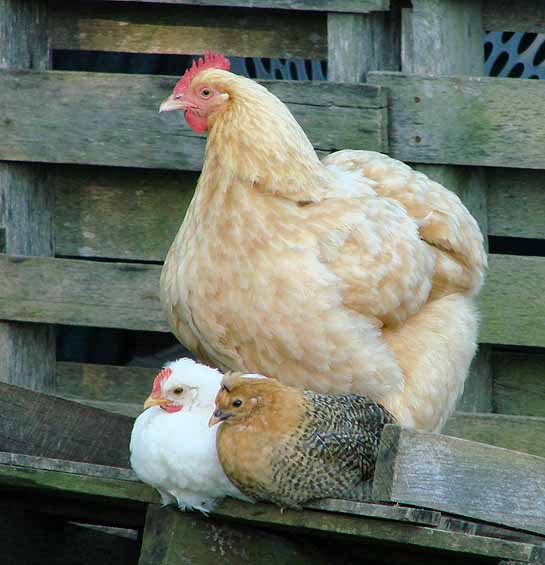
If someone had killed animals for cooking food for monk like the Story of the Chicken Stars, what did they get, merit or sin?
An audience has a twin younger sister who divorced from her husband. He questioned what retribution has caused his sister to be like this?
I’d like to ask you about an old tradition of Thai society that urges children to prostrate themselves at their parents’ feet before going to bed. How does this tradition help develop children’s virtue? If the people of the present time would like to reintroduce that tradition, where can they begin?