Meditation for Beginners
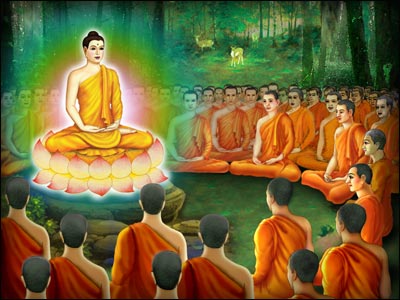
After explaining the Noble Truth of Suffering, Lord Buddha continued with an explanation of the origin of suffering
The Lord Buddha taught that the extent of craving in the minds of living beings is so great as to be beyond words
The Lord Buddha compared craving to the resin of the persimmon tree or varnish which are some of the stickiest forms of sap
When the Lord Buddha had finished his explanation of the origin of suffering, he continued with an explanation of the cessation of suffering
Thus the Lord Buddha taught that if we can overcome our greedy attachments to the things we love in the world, craving can be overcome too
The mechanism of overcoming suffering requires the practitioner completely to uproot craving from the mind by transcendental extinction
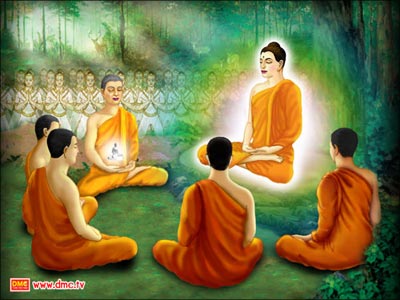
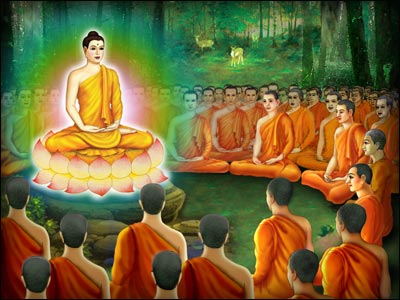
In the Lord Buddha’s first sermon to the group of five initial disciples he advocated to steer between the extremes of sensual indulgence
What is the true meaning of ‘insight’ [vipassana] meditation? In fact insight is insightful vision or seeing things according to their true nature, seeing them thoroughly from every perspective.
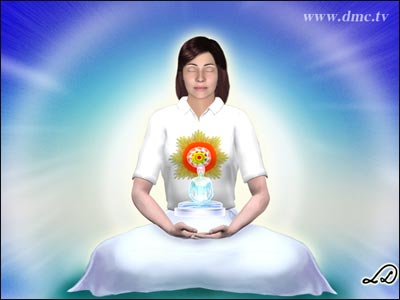
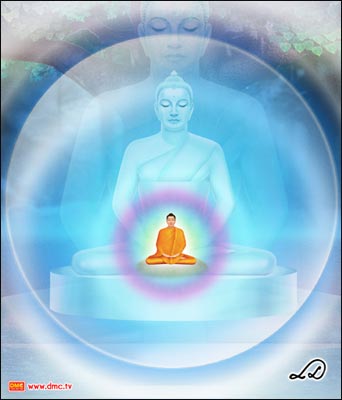
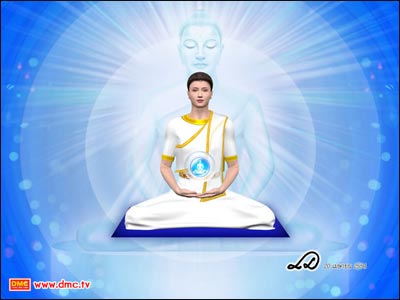
Practising the Middle Way is thus practicing the Noble Eightfold Path. If practiced properly, all eight components of the path will come together as a pure translucent sphere
The final of the four Truths of the Noble Ones taught by the Lord Buddha was the Path to the Cessation of Suffering (or the Noble Eightfold Path) – the way to extinguish all suffering and attain Nirvana.
The mindfulness of the feeling in the feeling is to see and consider the feelings [vedana] both inside and outside, the whole of the time
Mindfulness of the dhammas in the dhammas is to see and consider the mental phenomena both inside and outside, the whole of the time
Thee Noble Eightfold Path arises at All Levels of Advancement The Noble Eightfold Path can be found at all levels of advancement
Attaining the body in the body brings inestimable benefit to our lives vecause it is the means by which we can overcome the defilements
The Three Signs of Existence [tilakkhana] that are exhibited by all material things are impermanence [aniccam], suffering [dukkham] and not –self [anatta]
Share
แชร์ลิงค์หน้านี้